

Driving Change Network – An Equitable Licensing System for Everyone
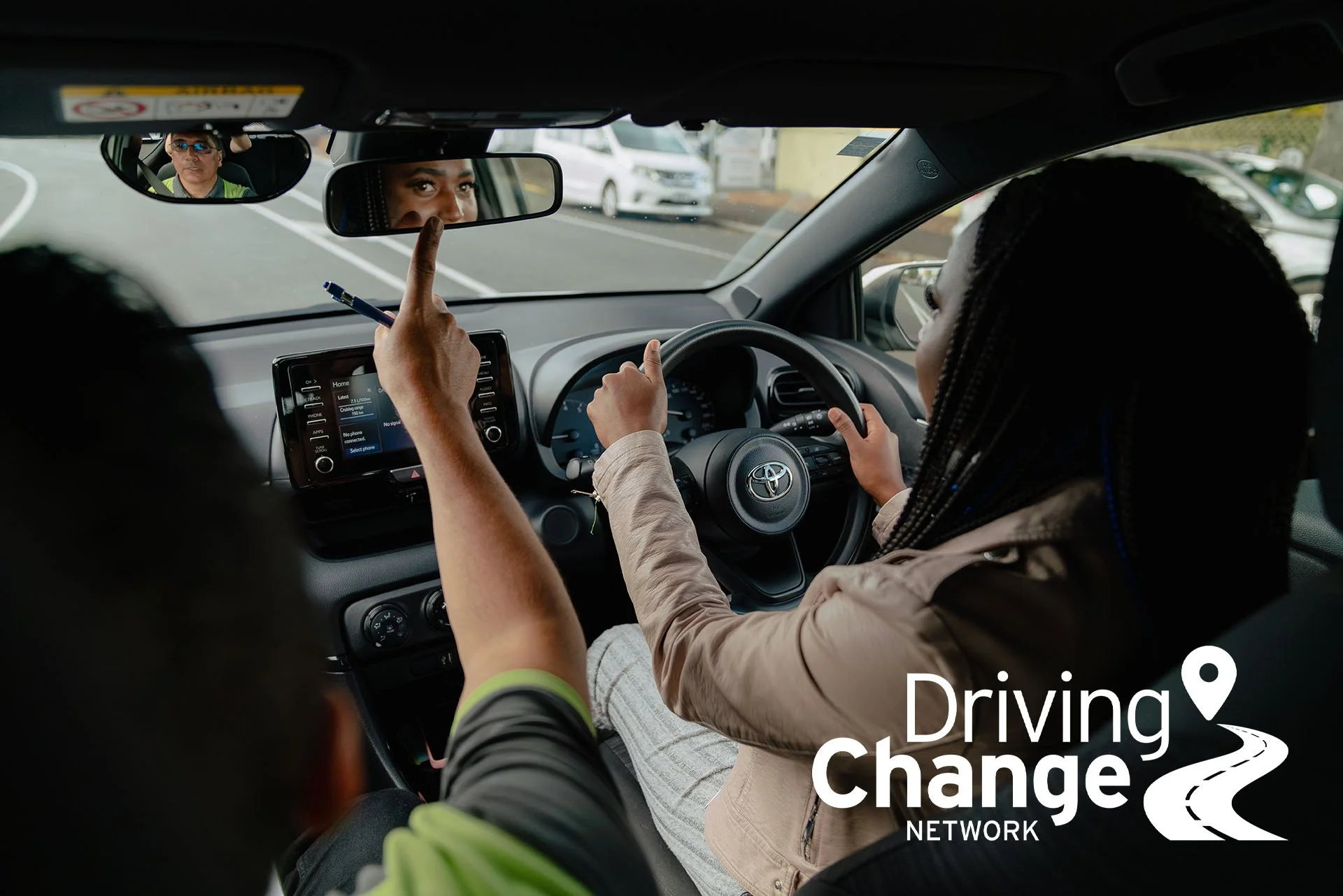
The Driving Change Network (DCN) is working to create an equitable and accessible driver education, training, and licensing system that enables safe drivers across the motu. Since 2019, DCN has helped drive some of the most significant improvements to Aotearoa New Zealand’s driver licensing system in more than a decade. Its member-led advocacy has contributed directly to policy shifts, increased access, changes to licensing fees, and fairer outcomes for communities who have historically faced the highest barriers.
“The journey to obtain a license through our current Graduated Driver Licensing System is not the same for everyone. Some people face barriers such as cost, language, literacy, access to a legal vehicle, or a licensed adult to teach them, preventing them from progressing through the system and gaining a full license,” says Wendy Robertson, National Director – DCN.
The team’s mahi has realised some impressive impacts so far:
Mobile theory testing operating in communities
Bringing testing to where people live, study, and work has removed major travel barriers and supported learners who find traditional testing environments difficult.The trialling and national expansion of Community Driver Testing Officers (CDTOs)
More CDTOs now means safer, culturally welcoming, fit-for-purpose testing for vulnerable learners who may not feel supported in commercial testing settings. It has also created greater flexibility for community programmes to fit testing in around clients’ busy lives, reducing the need for time off work, school, or caregiving.Re-establishing rural test routes
Several previously disestablished test routes in rural areas have been re-established, meaning those communities no longer need to travel long distances to access practical testing. DCN has also been advised that more rural routes will be considered.The introduction of one free retest at each licence testing stage
One free retest at each stage has reduced the financial pressure on learners and removed some of the anxiety around ‘having to pass first time’ to avoid extra costs, allowing people to focus on the test itself.More testing officers, extended testing hours, and increased Vehicle Testing New Zealand (VTNZ) site availability
With additional testing officers and expanded operating hours and days, practical test availability has improved significantly for many regions.More resources available in te reo Māori
Road code and licensing resources in te reo Māori have supported culturally grounded learning and helped normalise te reo across the system.More sites and the ability to book online in some areas
More sites and the ability to book online in some areas have improved accessibility, especially with new sites in refugee resettlement areas reducing the need for long trips to start the licensing process.Major government investment influenced by DCN
Government has now allocated $86 million over four years for licence support services, with additional out-years funding confirmed. This includes20,000 funded licence places annually, giving some providers and communities much-needed certainty and stability.
“These changes haveimproved access and reduced wait times, making it easier for people to fit licensing around work, school, caregiving, and whānau commitments,” says Wendy.
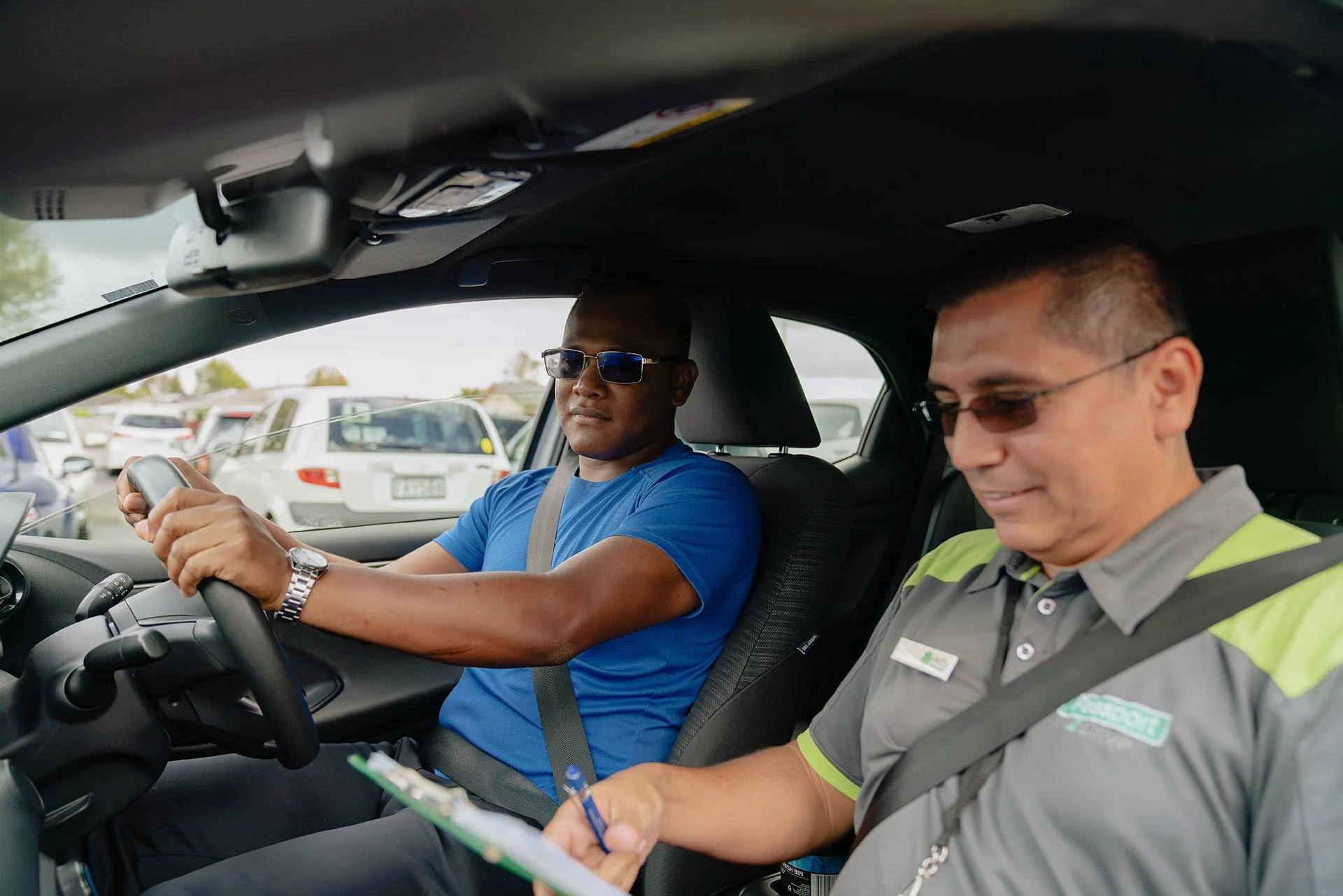
Since DCN’s establishment, membership has grown from around 60 interested organisations to more than 900 members today. DCN has helped shift a fragmented driver licensing sector into a sector that now works together in a much more coordinated way. As a result of DCN’s mahi, meaningful change is evident.
“Government agencies now meet regularly to share their work in the licensing space, and Driving Change has a seat in these meetings to represent the voice of community. Community providers connect regularly through DCN, sharing tips, advice and resources, and referring clients on when they move so their licensing journey can continue from learner through to full,” says Wendy.
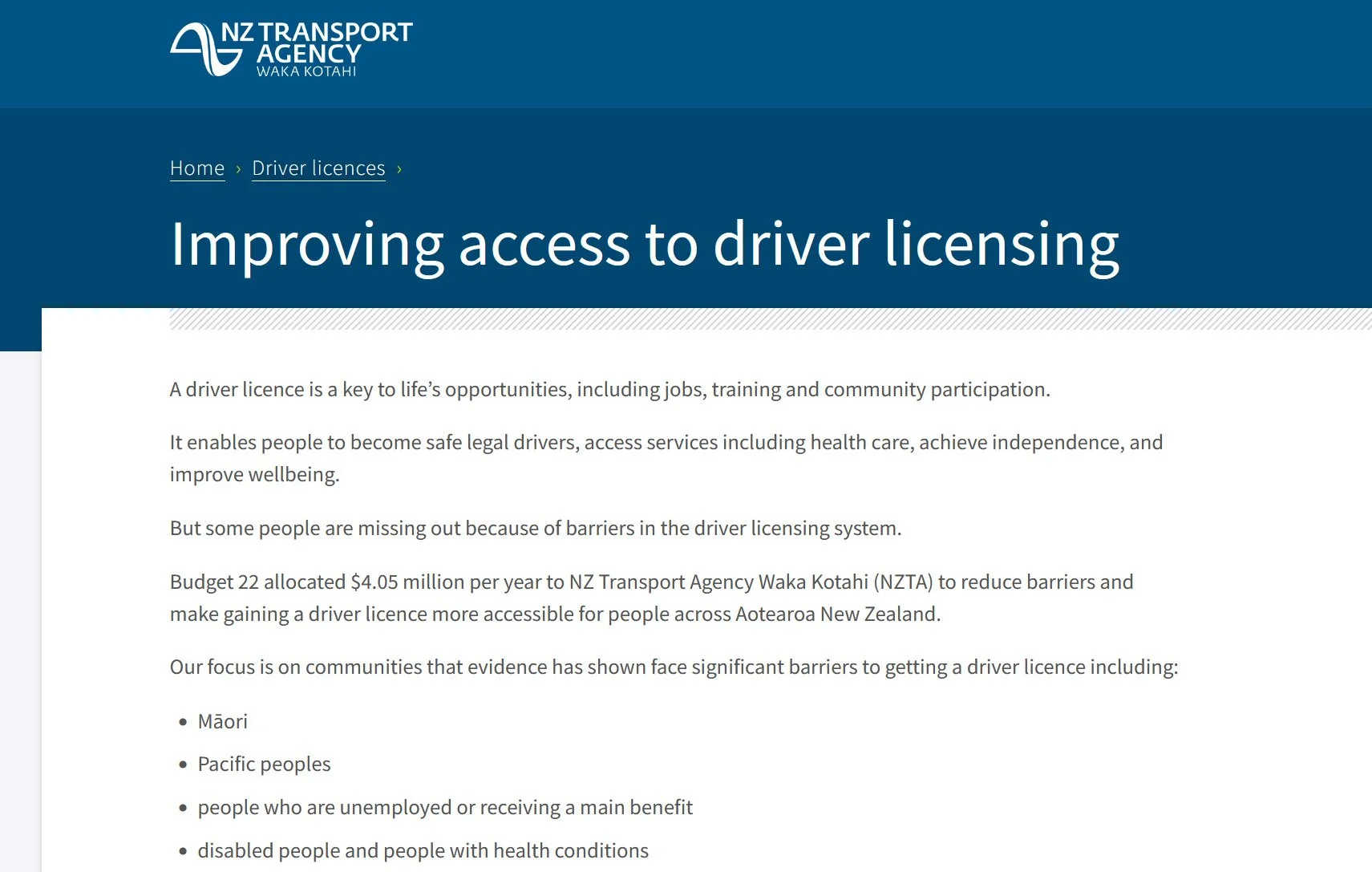
“We are also proud that government has now adopted DCN’s own language and framing. Our advocacy phrase, ‘working to achieve more equitable and accessible access to driver licensing’, now appears throughout NZ Transport Agency driver licensing web pages and materials when they refer to driver licensing support and improvements they are trying to make.
Together, these shifts show that DCN is not only helping individual learners, but is also reshaping how driver licensing is understood and talked about nationally, creating a stronger foundation for long-term system change,” she says.
The mahi is not without challenges and the slow speed at which embedded systems tend to change can be frustrating. Through it all, DCN has remained constructive and solutions-focused.
“Looking ahead, DCN will continue to drive the systemic changes needed to make driver licensing genuinely equitable and accessible across Aotearoa. We have identified seven goals to address the key barriers to licensing, and over the next period we will focus primarily on the first two heading into the next election, as achieving these will help the others fall into place,” says Wendy.
You can read about the seven goals, including Goal #1 – the establishment of a National Driver Equity Fund, and Goal #2 – the creation of an Associate Minister of Driver Licensing here.
“A driver licence is far more than a permit to drive. It is a gateway to social and economic participation. Without a licence, people can struggle to secure employment, access education and training, support their whānau, or take part fully in community life. Driving without a licence also increases risk on our roads and can lead to infringements, escalating fines, more serious interaction with the justice system, or serious crashes and possible fatalities,” says Wendy.
“DCN is focused on shifting the levers at the top of the system that make it harder for people to become safe, legally licensed drivers. Our aim is to ensure that those who are already struggling in our communities are not further disadvantaged by the licensing system, and that everyone in Aotearoa can be safe, connected, and able to access the opportunities a licence provides.”
