

Rangatahi take centre stage at new Toitū wānanga
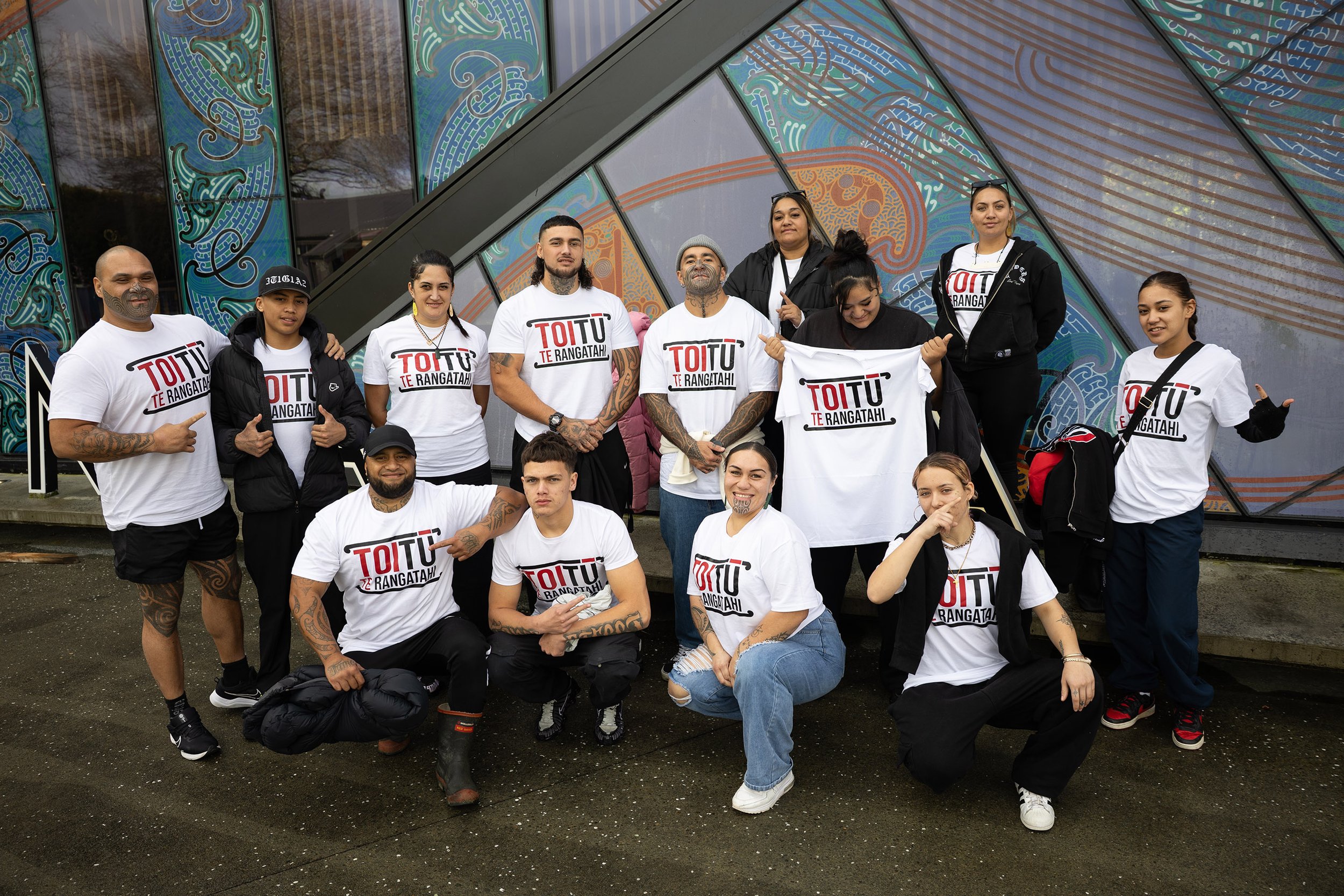
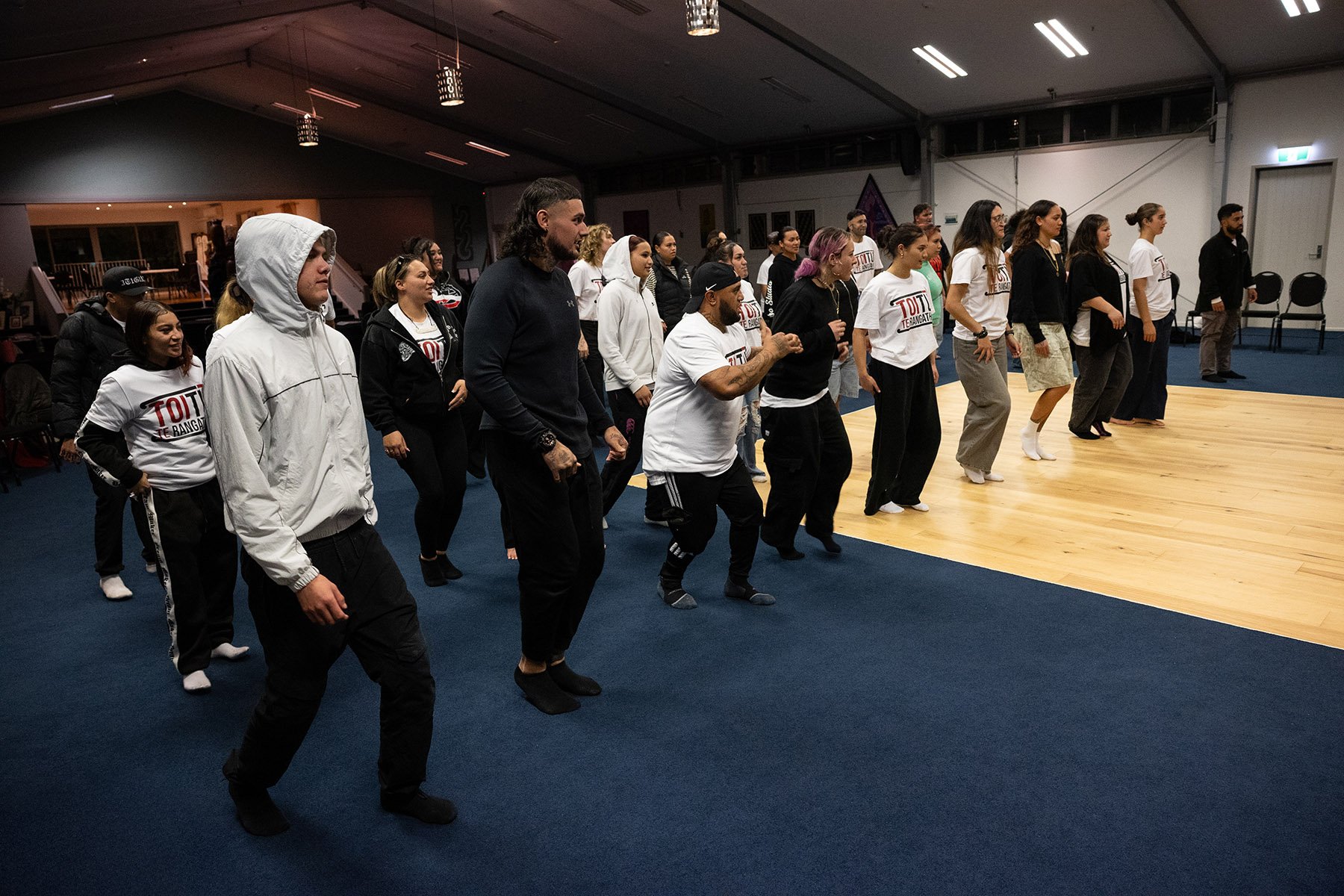
By the time the whole rōpū had spent 20 minutes line dancing together, Eru Kapa-Kingi knew Toitū Te Rangatahi had become what he hoped it would be - a place where rangatahi felt safe enough to let their guard down and be fully themselves.
It was the second night of the three-day wānanga. The room had begun with the natural nervousness of people meeting for the first time and, after a packed programme of kōrero and creative workshops, Kapa-Kingi had wondered whether everyone might be too tired or whakamā to perform at the open mic.
Instead, rangatahi stepped forward to sing and share poetry, cheering one another on before the whole room eventually got up to dance. For Kapa-Kingi, the joy of that moment said more than any formal session could.
“The best thing about that for me was that it was evidence they felt safe enough to be silly and joyful in the environment we had curated,” he says.
That freedom to be themselves was at the heart of Toitū Te Rangatahi, which was created to give rangatahi space to share their whakaaro, explore their creativity and consider the future they want for themselves and their communities.
A voice, not the voice
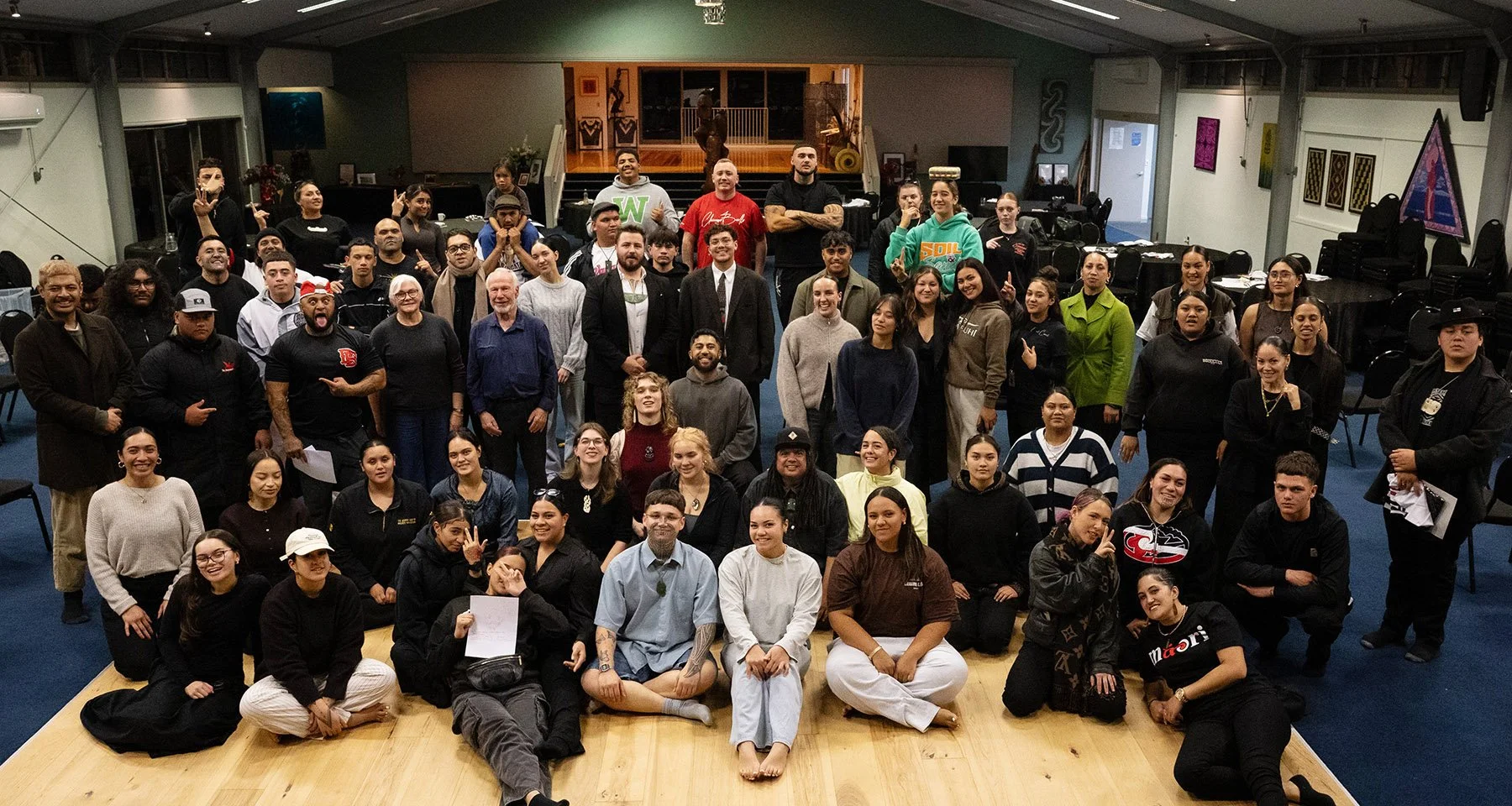
For Kapa-Kingi, the idea emerged from a gap he had noticed through his own mahi. Over the previous year, he had been invited to speak at around 30 conferences and was regularly asked to provide a rangatahi perspective. He felt able to contribute, but also knew that no one person or small group could carry something so broad.
“I thought it was funny that I was almost being pulled into those spaces as the rangatahi representation of a rangatahi voice. I’m 30 and I’m not getting any younger.”
Those experiences helped shape Toitū Te Rangatahi. As one of the leaders of Toitū Te Tiriti, Kapa-Kingi saw the wānanga as a natural progression of the wider kaupapa and an opportunity for rangatahi to help shape where the movement went next.
“From the perspective of the broader kaupapa, it felt like a re-energising of the movement and gave us clarity about a direction that has to be anchored in and led by rangatahi minds.”
Imagining Hawaiki Hou
Hawaiki Hou was the central theme of the wānanga, inviting rangatahi to imagine new ways of living, being and existing together. The organisers provided some direction, but were careful not to decide in advance where every kōrero should lead.
The opening kōrero invited rangatahi to agree on the tikanga for the wānanga. Rather than being handed a list of rules, they discussed what everyone needed to feel safe, contribute freely and bring their best selves into the space.
“It was beautiful that everyone agreed people should feel safe, no one should feel judged and aroha should be an anchor.”
Toitū collaborated with Action Education, whose experience in spoken word and kaupapa rangatahi helped guide whakawhanaungatanga and build connections across the rōpū.
The programme included workshops in waiata composition, spoken word, painting, photography, videography and social media. This gave rangatahi several ways to express their whakaaro, whether through kōrero, mahi toi or performance.
Taking the kōrero home
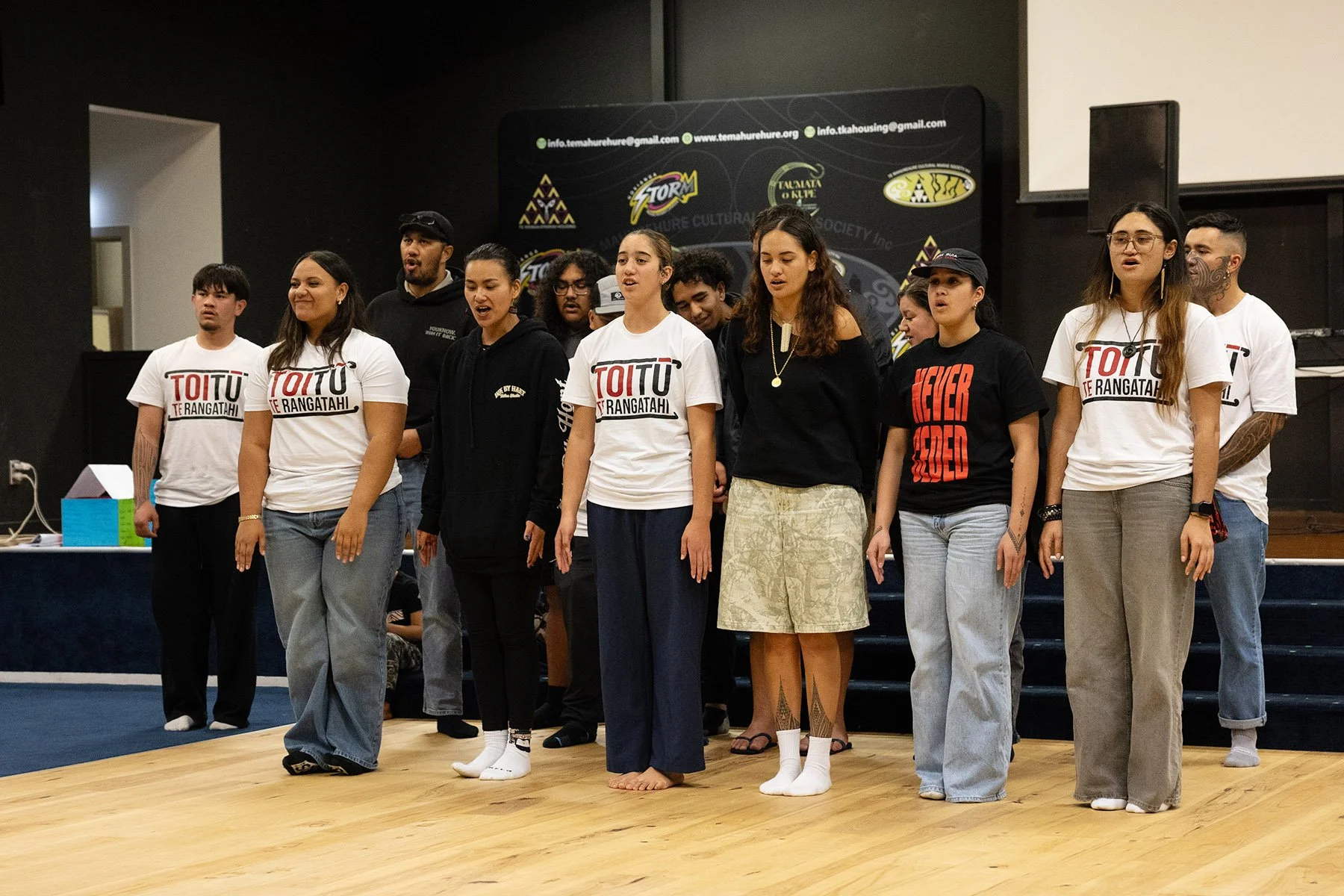
On the final day, attention turned to practical actions rangatahi could take in their own lives and communities. Guest speakers discussed protests, petitions and enrolling to vote, giving participants options that reflected where they were in their own journey.
Those attending came from a wide range of backgrounds, including rangatahi connected to the Grace Foundation, iwi leadership and kura kaupapa Māori, as well as those working in te taiao, local government and academia.
That diversity was deliberate, allowing the kōrero to reflect the many realities of rangatahi life without expecting a small group to speak for an entire generation.
The outcomes were equally varied. Some participants left committed to enrolling to vote in the next election, while others wanted to organise petitions or protests. Each person could find a way forward that made sense for them.
The power of rangatahitanga
More than anything, Kapa-Kingi came away with a stronger appreciation of the particular mana rangatahi carry.
“Rangatahitanga is a specific form of rangatiratanga that is rooted in the power of dreaming and the power of disruption, but disruption rooted in aroha.”
He says rangatahi begin from a different point than the generations before them. They understand the issues facing te ao Māori, but do not always carry the same weight of collective mamae or the assumption that things must continue as they always have.
“They can see further ahead, and their starting point is already further ahead. Some of these rangatahi aren’t even 20. I was looking at where they were and thinking, if I was there at 18 years old, where would I be now?”
The experience left Kapa-Kingi with renewed energy for Toitū.
“My cup was full. I was deeply inspired by the vision, energy and specific type of mana these rangatahi brought into the wānanga.”
