

IndigiShare: reimagining finance through the lens of koha
What if the financial system worked more like a marae?
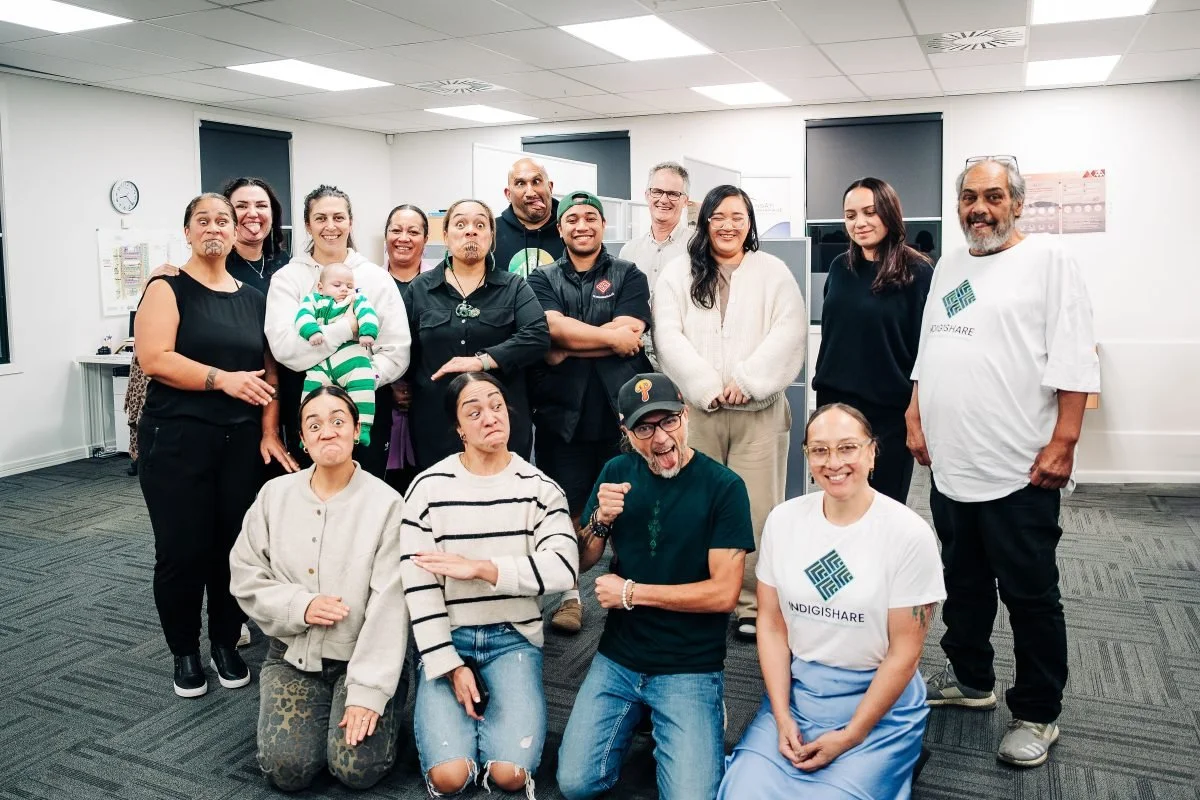
This was one of the questions a group of Māori innovators began asking in 2020 during a hackathon, and from that whakaaro (idea), IndigiShare was born: a Māori-led fintech Charitable Trust that reimagines how money moves through communities.
Co-founder and CEO, Maria Ngawati (Ngāpuhi, Ngāti Hine, Ngāti Porou), formed the kaupapa (initiative) with a group of friends, after finding that financial concepts such as circular economies rely on community collaboration to build.
With this in mind, they set out to explore how values like koha (gift), reciprocity and collective responsibility could be applied to a system that, for many, has long felt transactional and extractive.
“That’s the āhua that we have in Māoridom, finances aren’t always solely transactional,” says Ngawati. “For us, koha is a reciprocal obligation. So, taking those concepts and applying them to a financial system that is the complete opposite? That’s our mission, system change at the core.”
Koha in action
IndigiShare has grown into a charitable trust designed to strengthen Māori economic resilience and self-determination across three different offerings. At its core remains a simple objective: instead of wealth flowing out of our Māori communities, how do we ensure it stays within them?
“Our concept was that if our communities can shift resources, like giving physical resources to struggling businesses, why couldn’t we do that with money? We quickly discovered that wasn’t possible which made us question why, and that set us on our mission to set about changing it.”

IndigiShare’s loan model, Te Whare Manaaki, offers 0% interest loans from $500 to $15,000 to Māori entrepreneurs, start-ups and small businesses, removing one of the biggest barriers to access to capital.
Backed by koha lenders, pūtea (money) is shared, repaid, and reinvested into the next business, creating a circular flow of support. Early loans have been as small as $500 for marae catering equipment, as well as more substantial loans, to help businesses invest in essential equipment to grow their operations.
Alongside this, IndigiShare have created Te Waharoa, a payment process app designed to keep value within the Māori community. This product redirects surcharge transaction fees away from banks or credit card companies, to be used as a circular flow of capital that can be reinvested in Māori initiatives and community.

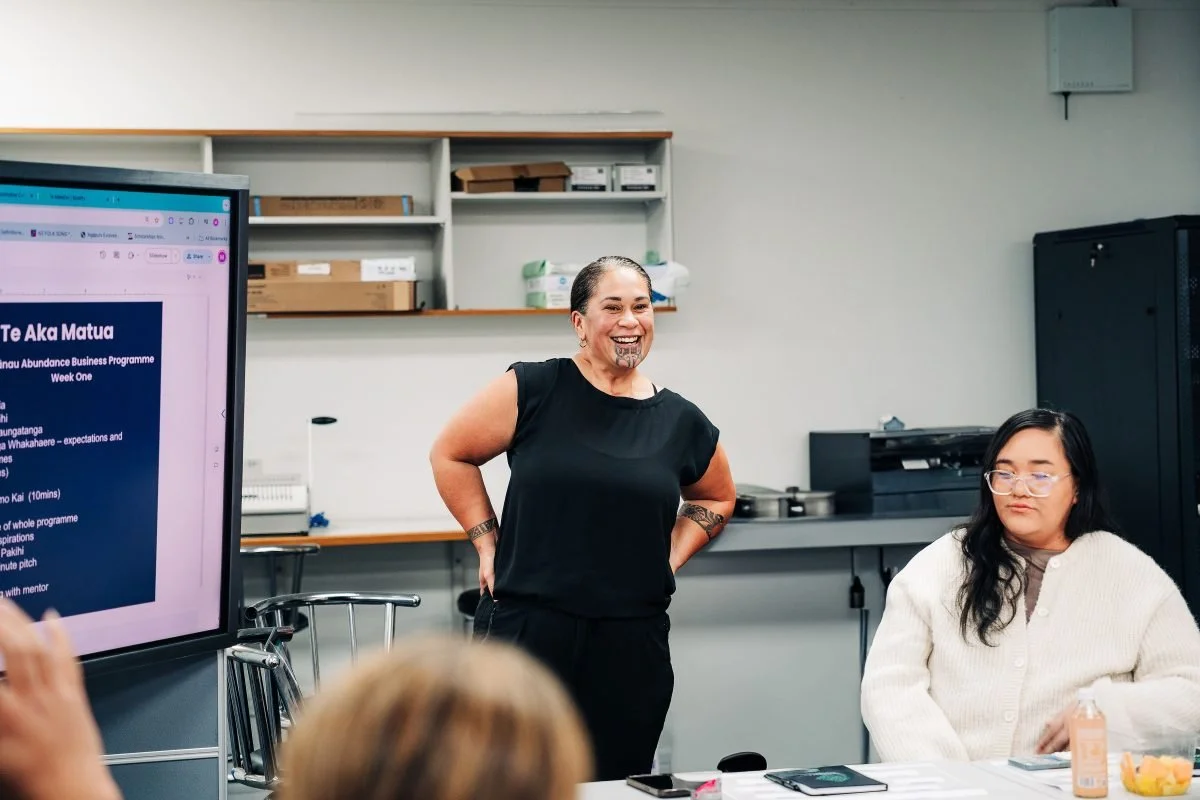
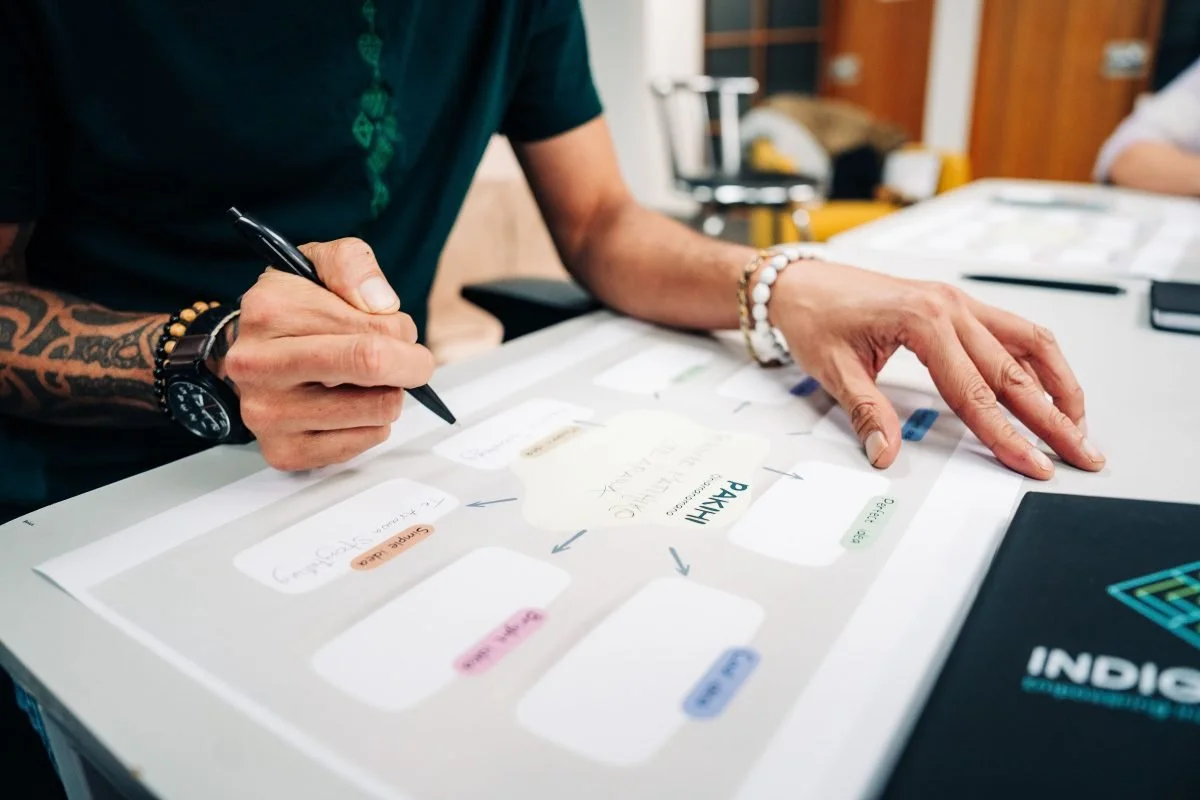
Completing the ecosystem is Te Aka Matua, a pakihi (business) education programme that supports Indigenous businesses to build financial capability, alongside long-term whānau wellbeing and intergenerational prosperity.
Together, these initiatives shift the focus from individual gain to collective impact.
Navigating a system not built for you
Transforming the finance system is no small task, particularly when it was not designed with tikanga Māori (Māori customs) in mind.
IndigiShare has had to navigate complex regulatory environments while translating kaupapa grounded in koha and reciprocity to institutions unfamiliar with them.
Despite this, progress has been significant. Now part of the Financial Markets Authority sandbox, IndigiShare is working alongside regulators as it pilots Te Whare Manaaki and moves toward broader rollout. At the same time, it continues to build relationships across Māori and mainstream financial organisations.
Building for generations
IndigiShare’s ambition is not for rapid scale, but lasting impact. With Te Whare Manaaki in pilot, and plans to expand nationally and beyond, Indigishare is laying the groundwork for a different kind of financial future.
“We’re building an elephant rather than a unicorn so, it isn’t going to be fast or easy,” says Ngawati. “The goal is to become self-sustaining, to employ people, to be around for a long time, and to give back.”
One day, IndigiShare hopes to operate as its own sustainable entity and to expand their models to other indigenous businesses globally. Long-term, the kaupapa is about reclaiming financial sovereignty and showing that Māori values can underpin a functioning, resilient economic system.
Just as importantly, it is built with mokopuna (descendants) in mind. Decisions made not just for today, but built to endure for generations to come, ensuring the kaupapa grows responsibly for whānau, hapū and iwi.
