

Ethnic Rainbow Alliance – Championing Diverse Communities and Cultivating Inclusive Spaces
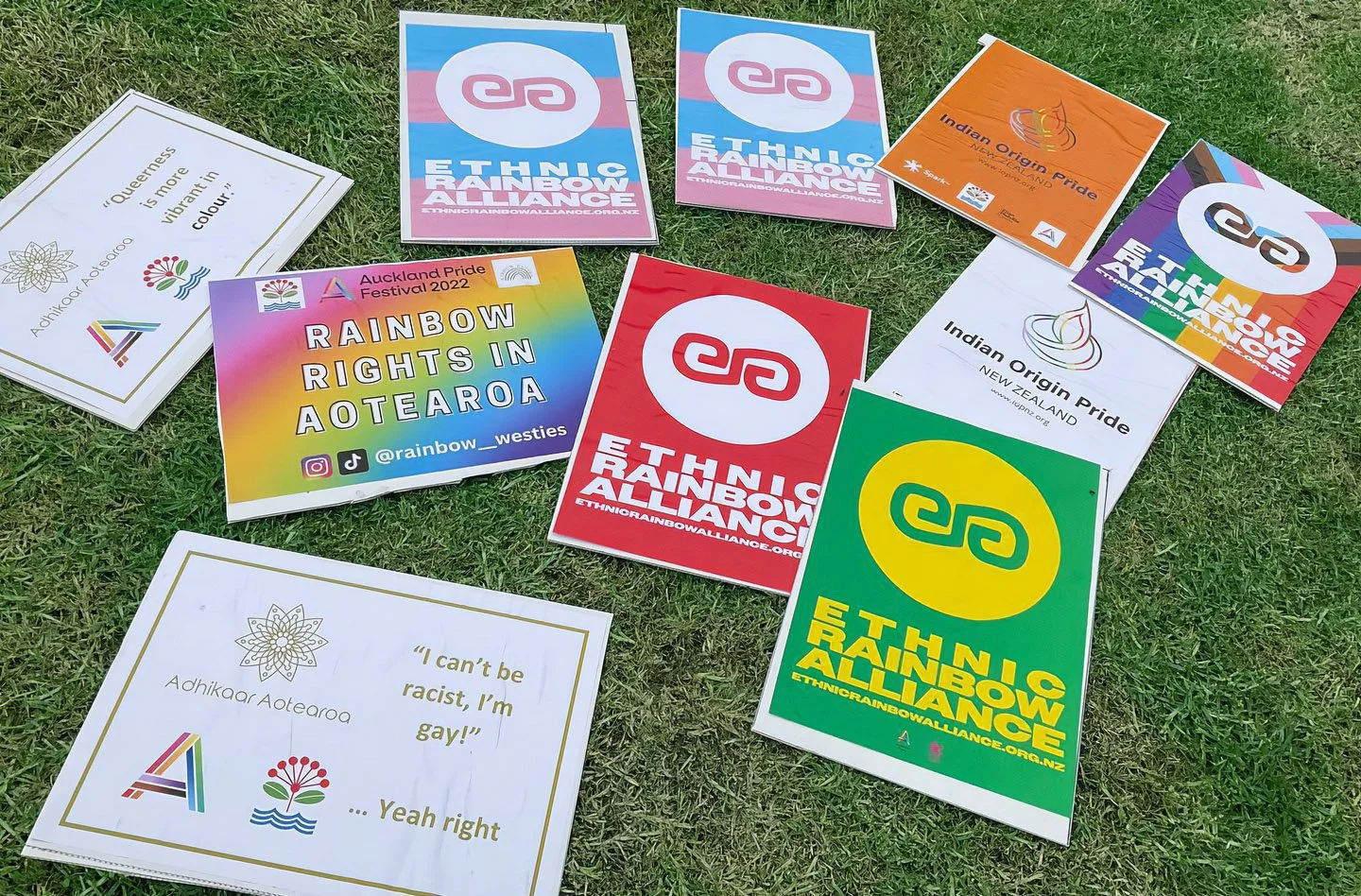
Established in 2022 to provide visibility, support, and advocacy for Aotearoa New Zealand’s underrepresented ethnic LGBTQIA+ community, Ethnic Rainbow Alliance (ERA) is dedicated to empowering its communities. Its mission is to cultivate inclusive spaces where cultural diversity is celebrated, and everyone feels valued and connected.
Taking a collaborative approach, it seeks to ensure the communities it serves have the resources and opportunities to thrive. It is committed to championing the unique needs of its diverse communities, helping to build a vibrant and interconnected society for all. Its evolving role as a trusted touchpoint means ERA can be relied upon as a place to connect, engage, and be heard.
Over the past few years, the team has built meaningful connections and reputations within the community. For Michelle Mascoll, Co-founder of ERA, there are numerous achievements worthy of acknowledgement.
“The most visible and positive outcome many people know about is our podcast series QQ& A season 1& 2. We’ve completed our second series by speaking with community members and letting them share their experiences in their own voices,” she says.
QQ& A explores the vibrant spectrum of LGBTQIA+ life in Aotearoa New Zealand. From immigration challenges to the complexities of transgender experiences, each episode delves into critical topics like sexual health, and the evolving cultural landscape. By providing a platform for diverse voices to be heard, the podcast navigates issues of identity, community dynamics, and the rich history that shapes the rainbow community in Aotearoa New Zealand.
“I’m also proud of the broader work we’ve delivered, including violence prevention workshops, and supporting pathways that lead to better outcomes for our community. We’ve focused on strengthening connections across individuals to the right spaces, services, and environments so people can access what they need not only now, but for the future,” says Michelle.
“Personally, I’m glad to be able to serve the community: helping build a sense of belonging, improving wellbeing outcomes across health and other settings, and creating stronger connectivity among people, services, and community life. It’s also meaningful to see progress in civic engagement and language inclusion – supporting people to participate fully and confidently as a community,” she says.
While these are all reasons to celebrate, Michelle acknowledges that challenges continue to exist. ERA navigates these by being open, responsive, and collaborative, as well as seeking opportunities to both learn and educate.
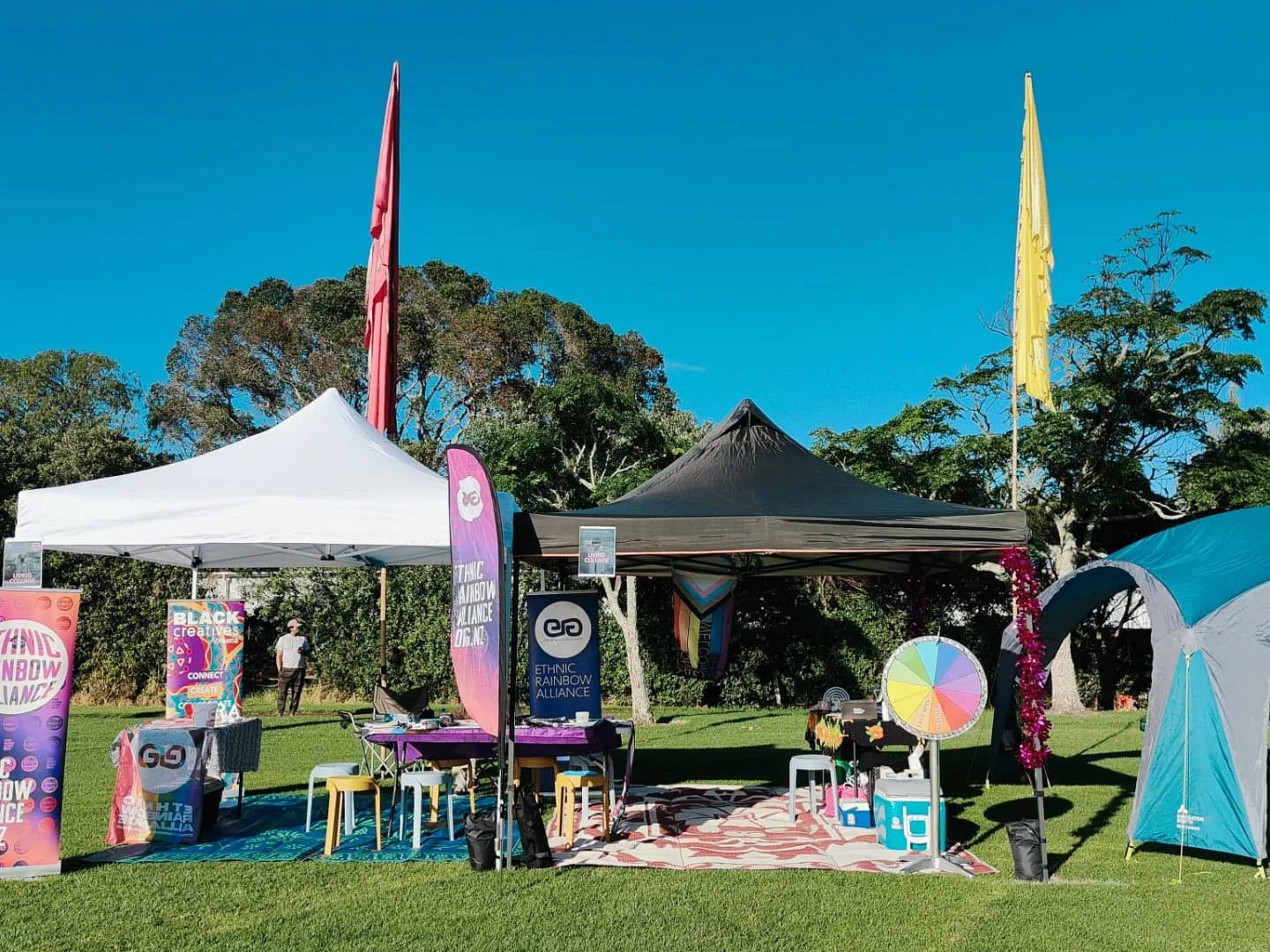
“The biggest challenges faced by Ethnic Rainbow Alliance so far have been ongoing external pressures such as the changing social landscape, shifting timelines, and public opinion – which can impact our community in ways that are not always positive. Alongside this, there is the persistent challenge of misunderstanding and ‘othering’: sometimes people don’t fully recognise who we are, especially as our community includes complex and diverse identities. These challenges aren’t something we can say will be completely overcome, but we’re committed to addressing them through education, visibility, and consistent presence. We overcome them by persistently showing up, creating resources, building collaboration and shared understanding, and creating spaces where people can learn, connect, and see us as part of the community of people to be valued and heard. We are Ethnic Rainbow Alliance, the people you want to be part of your community, working together for prevention, wellbeing, and belonging. For better outcomes for everyone,” she says.
In everything it does, ERA maintains a rainbow lens – honouring difference while pursuing justice, dignity, and enduring social change for all communities it serves. The mahi is ongoing and the team has many goals over the coming years.
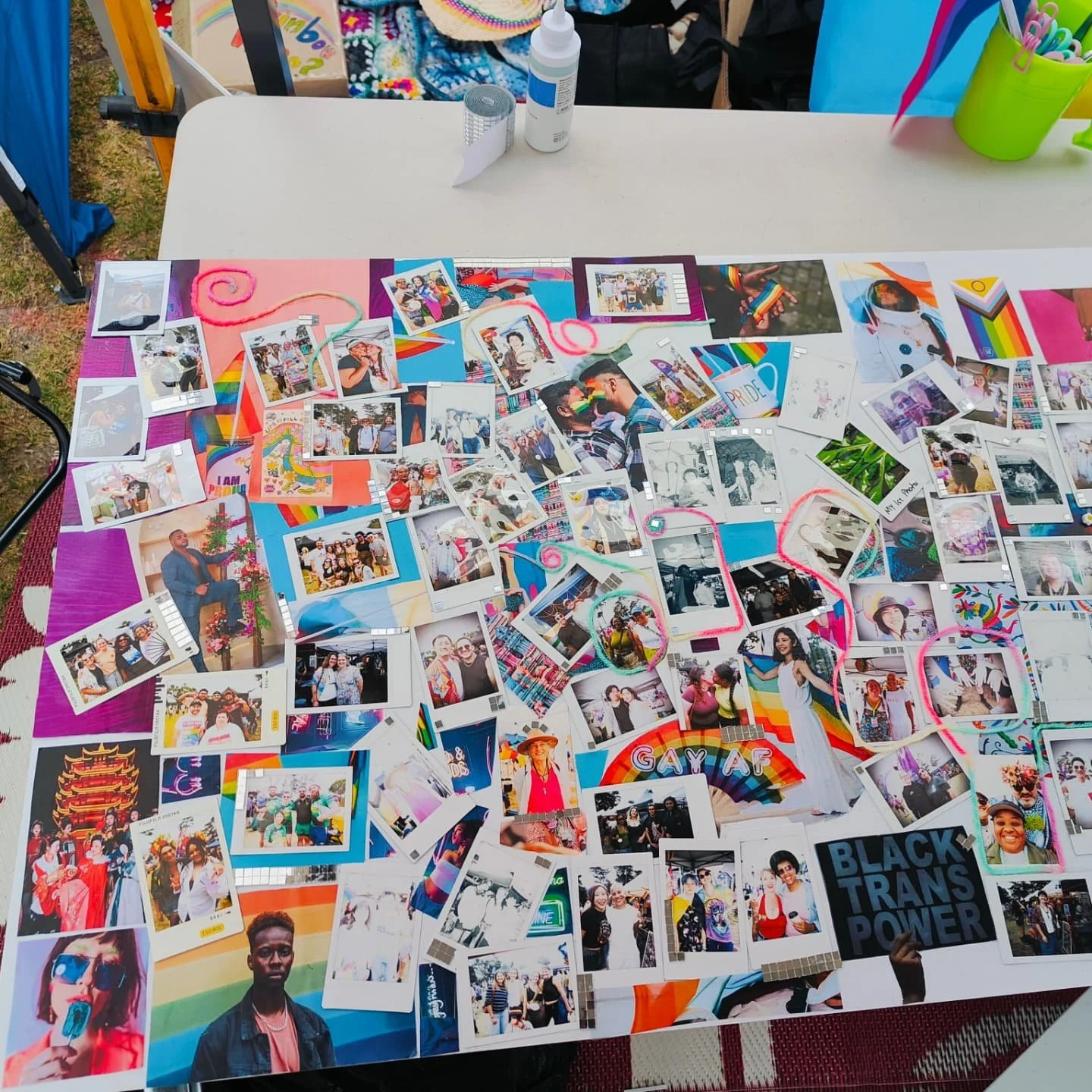
“Our plan for ERA is to create a more stable and sustainable structure so we can build stronger operations and delivery models. This includes improving how we respond and strengthening methods to engage the wider community, while also building on the existing relationships we’ve created over the time we’ve been operating,” says Michelle.
“A key focus is creating pathways for greater language justice and developing systems to address anti-racism within rainbow communities and wider. We also want to increase visibility, accessibility, and collaboration, so people can more easily find and use services, and so gaps in community support can be better addressed, especially for smaller communities that rely heavily on volunteer services.”
“Going forward, we aim to support and collaborate with other organisations and systems as service provision expands. Ultimately, what’s ‘next’ is sustainability: building an organisation and community future that delivers better outcomes now and in the long-term, so we can create a brighter future – and be ready for the changes ahead.”
